

Collaborations between non-governmental organizations (NGOs) and government entities play a crucial role in driving sustainable growth. By aligning financial resources, policy support, and community engagement, these partnerships can create a lasting impact on local economies and the environment.
Funding Opportunities
When NGOs and government bodies unite, they unlock access to programs such as grants, subsidies, and other resources. These opportunities help finance eco-friendly initiatives in industries ranging from agriculture to manufacturing. Small businesses and local farmers especially benefit when leaders come together to subsidize modernization efforts and innovative technologies. This integrated partnership shapes investment priorities and ensures that funds are used efficiently.
Training and Capacity-Building Programs
NGOs often specialize in skill development and community training, while governments can offer official accreditation and wider support. This synergy offers community members the knowledge and hands-on guidance needed to adopt responsible and sustainable practices. From agricultural best practices to machine learning integration in farming, these partnerships can be transformative.
Policy Frameworks That Empower Collaboration
Global efforts to promote sustainable development often begin with well-structured policy frameworks that encourage public-private and NGO alliances. These frameworks can shape agricultural funding, outline resource management practices, and incentivize stakeholders to adopt greener solutions.
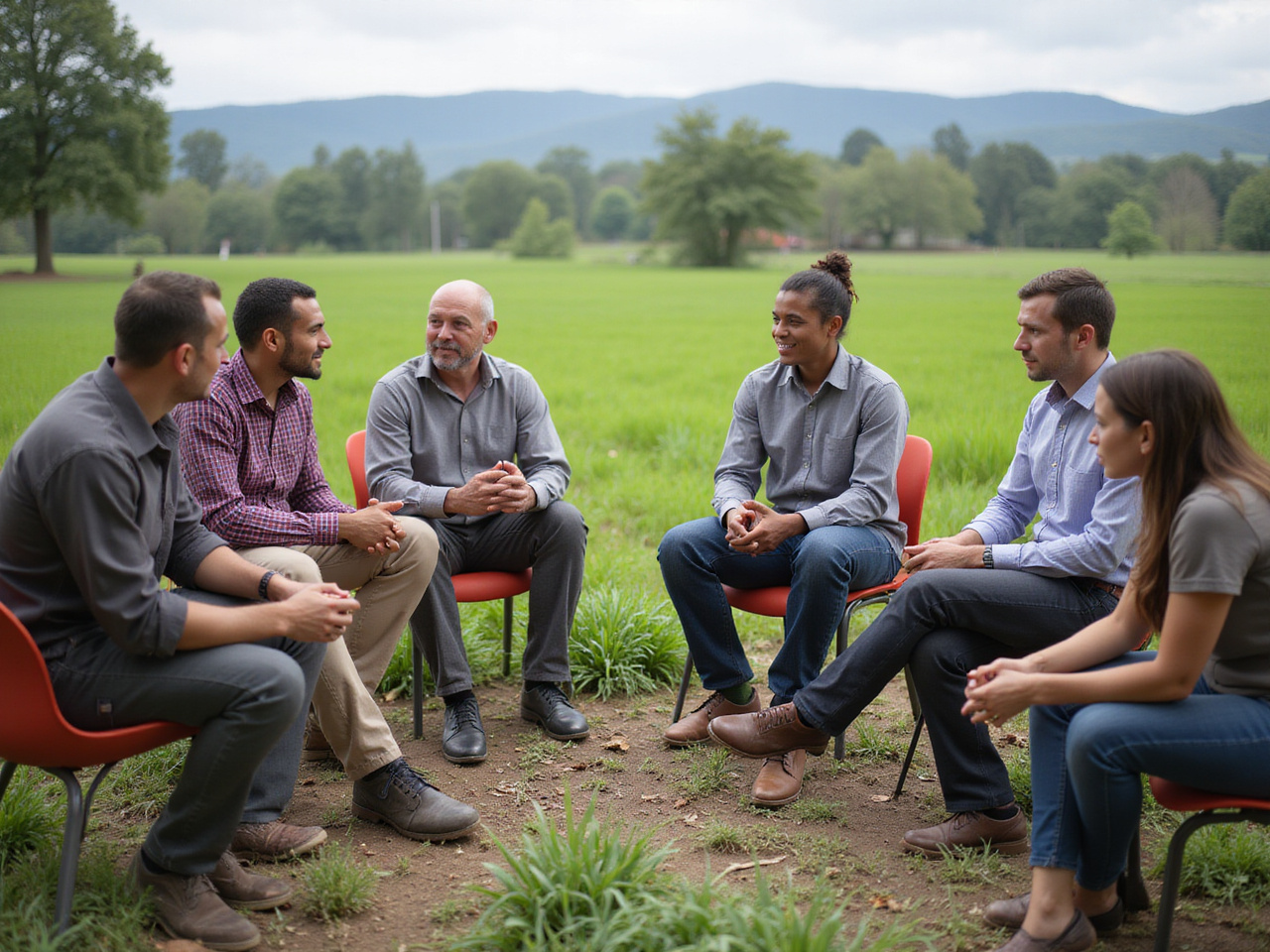
By setting clear goals and guidelines, governing bodies help align diverse aims, from economic growth to environmental preservation. This fosters collaboration and sparks innovation that benefits local communities. Governments and NGOs working in tandem play a vital role in ensuring these regulations remain effective and equitable.

Policy elements such as subsidies for eco-friendly machinery or streamlined approval processes for renewable energy projects can attract more stakeholders to the table. With community outreach and ongoing policy revisions, the opportunity for sustainable partnerships continues to expand. Farmers, businesses, educational institutions, and NGOs all benefit when supportive regulations are devised and enforced with transparency.

Bridging the Technology Gap
In many instances, government-led partnerships help provide digital success tools—ranging from web application development to AI automation solutions. NGOs can identify those most in need of this technology, ensuring no one is left behind. As a result, local enterprises and agricultural producers benefit from responsive web design and SEO optimization services that elevate their profitability.
Real-World Success Stories
Examples abound where local governments and NGOs have worked together successfully. One notable case is when a regional authority introduced business process automation software to farming cooperatives, helping them manage distribution more efficiently. Through the guidance of a dedicated NGO, these cooperatives learned how to streamline invoicing and tracking, improving overall productivity and user experience (UX) design.
Strategies for Scaling Up Pilot Programs
Projects that begin as small pilot programs can gain momentum and spread more broadly when NGOs and governments offer financial backing, training, and supportive policies. By measuring performance and continuously reviewing results, partners can replicate effective programs. This helps expand the benefits of custom software development or modern planting techniques to new regions.
Conclusion and Future Outlook
Stronger cooperation between NGOs and governments continues to break down barriers, whether they involve funding, technology access, or policy formation. Such partnerships are well-positioned to shape a future defined by sustainable growth, community empowerment, and automated processes that make life simpler for everyone involved. Looking ahead, it’s evident that these alliances stand as one of the most powerful forces for ensuring long-term prosperity and responsible stewardship of our planet’s resources.