
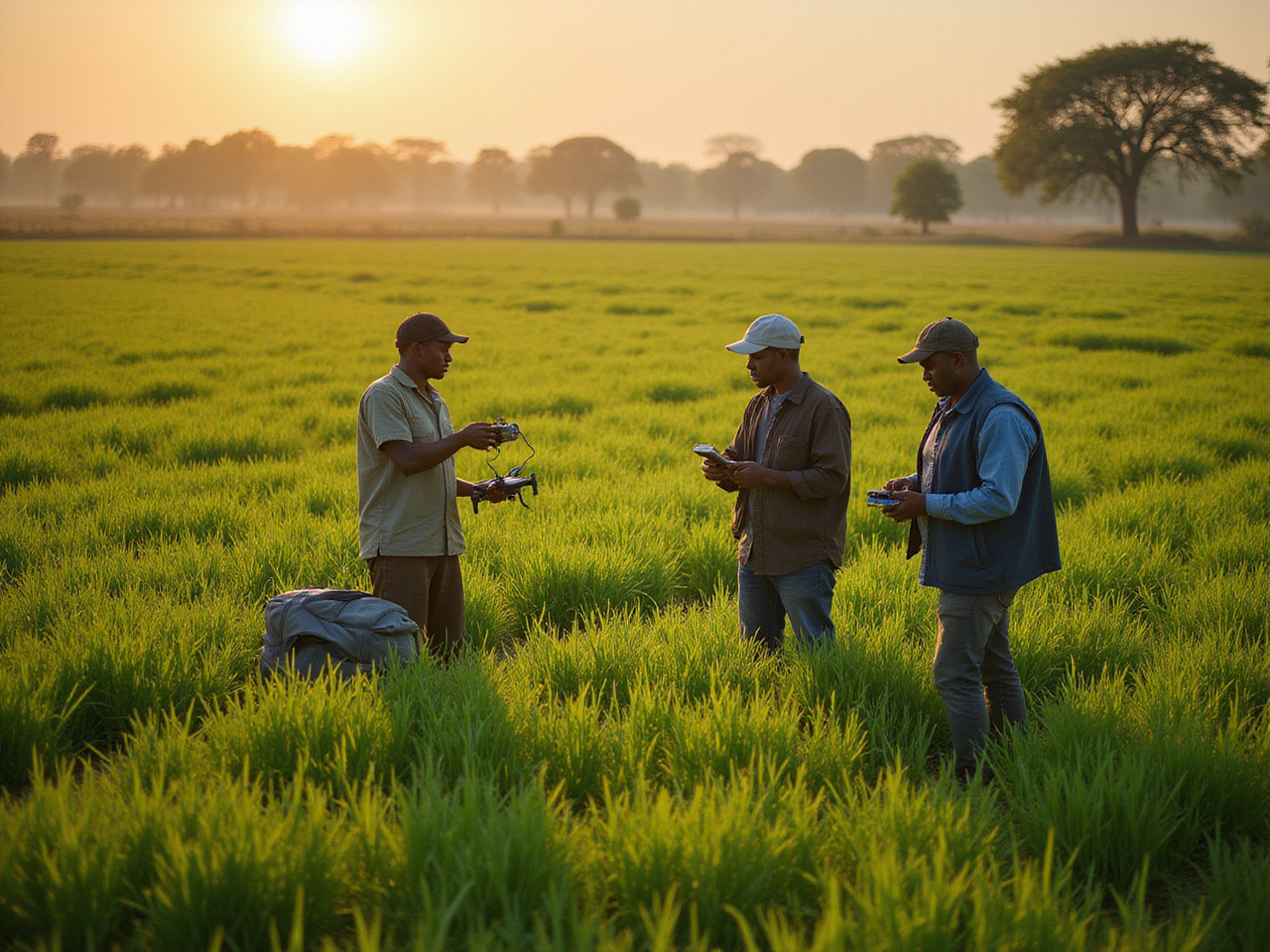
Africa’s agricultural sector is among the most vibrant and essential in the world. As global demand for food increases, so does the need for innovation to improve crop yields and streamline operations. Across the continent, rural communities are embracing cutting-edge technology—from drones to IoT sensors—to transform traditional farming into thriving, modern agribusinesses.
The Role of Technology in Modernizing African Agriculture
Emerging technology has been instrumental in unlocking higher productivity and greater profitability for small and mid-sized farms. By using accessible tools, farmers can overcome challenges like erratic weather patterns, limited market access, and resource constraints. Below are some key technologies powering this transformation:
Drones for Crop Monitoring and Plantation Management
Drones offer a bird’s-eye view of fields to swiftly identify areas needing extra attention. Through aerial imagery, farmers can detect early-stage pests, measure crop health, and optimize irrigation. Drones are especially beneficial in vast plantations, reducing labor costs and helping farmers make proactive decisions to protect their yields. In certain parts of rural Africa, small business owners share or lease drones at subsidized rates, fostering a cooperative approach to modern farming.
IoT Sensors and Data Analytics
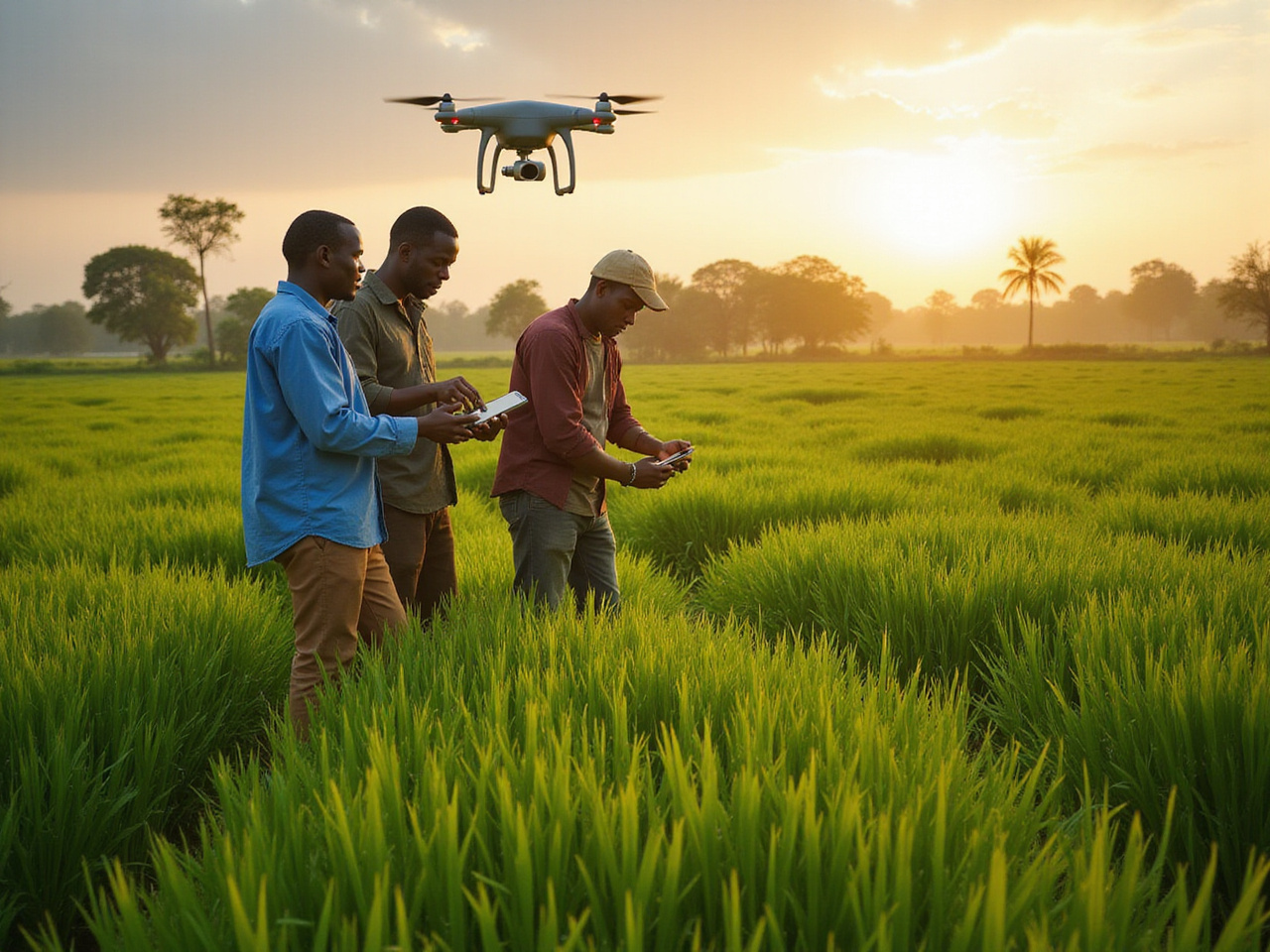
Connected sensors placed in fields continuously collect data on soil moisture levels, temperature, and nutrient content. Farmers then use analytics tools to interpret this data—helping them plan irrigation schedules, apply fertilizer precisely, and strike an optimal balance between resource usage and output. This integration of IoT (Internet of Things) technology drastically cuts waste, ensuring each drop of water or scoop of fertilizer is thoughtfully used.
AI-Driven Tools for Crop Forecasting and Pest Control
Machine learning solutions help farmers predict crop yields and potential pest outbreaks. With this advanced notice, small agribusinesses can prepare accordingly—stocking up on treatments, adjusting planting cycles, and even shifting focus to more profitable crops. Coupled with AI-driven image recognition for plant disease detection, these tools allow rural SMEs to adapt quickly, reduce losses, and boost profitability.
Success Stories from Rural Africa
Numerous rural communities in Africa have already tapped into drone surveillance, IoT sensors, and AI-driven applications:
- Kenyan Cooperative Farming: A group of small-scale farmers banded together to share the cost of drones and data analytics software. After one year of mapping and monitoring fields, they saw a 25% increase in maize yields.
- Nigerian Tomato Farms: By using IoT sensors to track soil moisture, farmers in northern Nigeria reduced their water usage by 40% while maintaining healthy crop output.
- Ghanaian Rice Producers: AI algorithms helped a cooperative forecast potential outbreaks of pests, allowing for early intervention and reducing crop damage dramatically.
Partnerships with NGOs and Government for Sustainable Growth
The success of these technologies often hinges on collaboration. Non-governmental organizations (NGOs) provide training, funding, or equipment subsidies that make advanced tools affordable. Government agencies can further support digital transformation through policies that encourage research and development. Many local tech hubs and incubators also play a part in piloting programs, ensuring agribusiness owners are well-equipped to integrate new solutions into their day-to-day operations.
Overcoming Barriers to Technology Adoption
Despite the promise of automation, infrastructural weaknesses and high costs can hinder widespread adoption. Frequent power outages or limited internet access in rural areas make it tough to keep devices running smoothly. However, solutions like solar-powered drone charging stations and community-based hardware leasing help circumvent these challenges. Microloans, government subsidies, and cooperative financing models also reduce upfront costs, ensuring more farmers can benefit from the latest innovations.
Future Outlook for Digital Agriculture in Africa
The digital transformation of African agriculture is still in its early stages, but momentum is building. Technologies such as blockchain could further streamline tracing produce from farm to table, boosting consumer confidence in African exports. Edge computing and advanced data analytics have the potential to refine local weather forecasting, providing farmers with timely, hyper-local insights. As collaboration among governments, NGOs, researchers, and local entrepreneurs grows, digital solutions will become more accessible, paving the way for robust and self-sustaining agribusiness models.
Conclusion
By embracing drones, IoT sensors, AI-driven tools, and collaborative partnerships, agribusinesses across rural Africa are seeing tangible gains. With each success story, more farmers are inspired to integrate modern technology and push boundaries, not just for profit but also for the long-term wellbeing of their communities. It’s an exciting time for African agriculture, offering a blueprint for others across emerging markets to follow.