
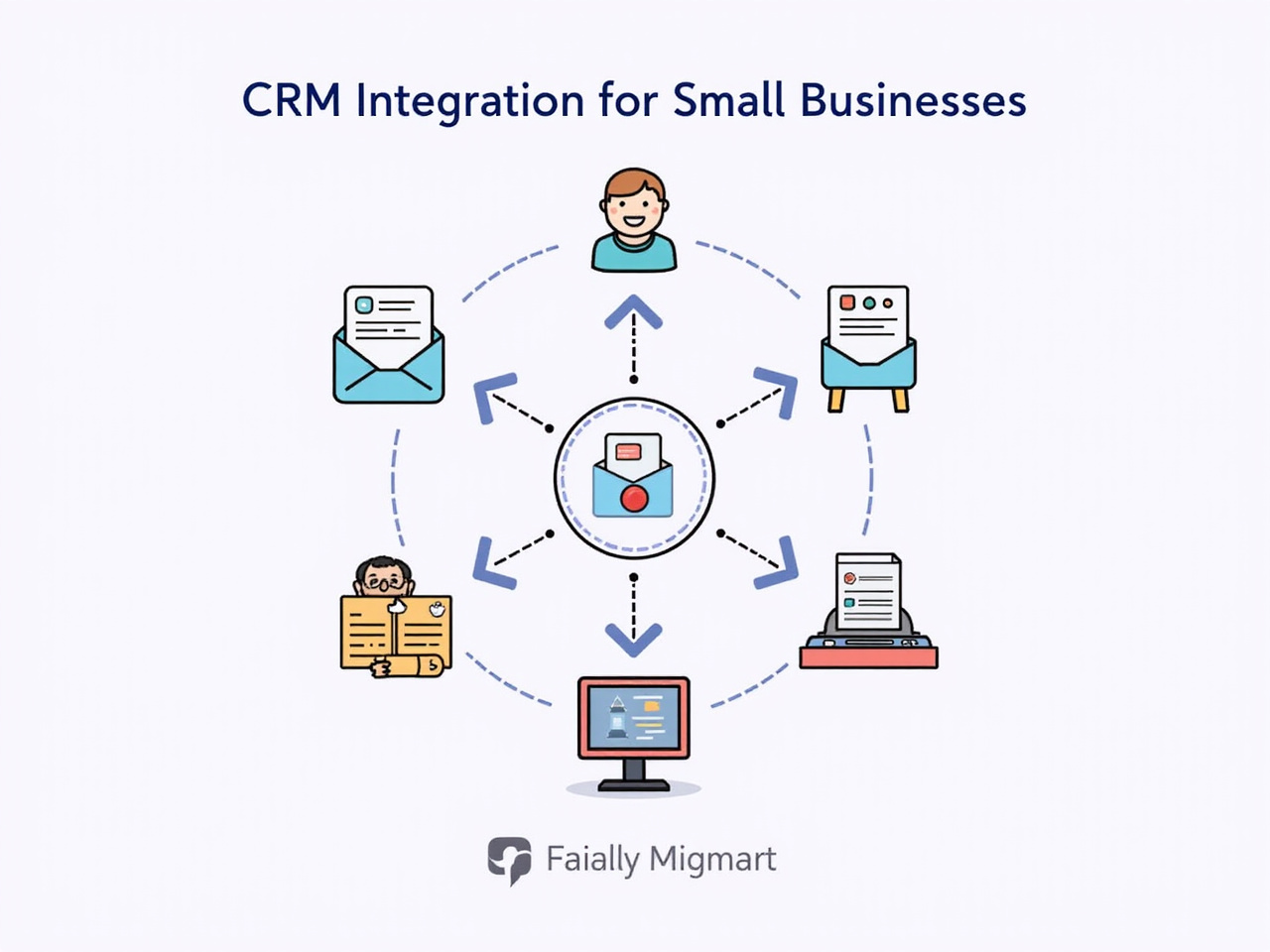
Small and medium-sized enterprises (SMEs) can derive immense value from open-source CRM when they connect it with various tools to streamline processes, enhance collaboration, and drive Digital Success. Below, we’ll explore how integrations turn your CRM into a powerful command center, enabling Business Process Automation and more effective workflows.
1. Introduction
An open-source CRM’s flexibility allows SMEs to customize and refine it according to their unique needs. Integrating supporting tools ensures Automate Without Limits from your sales funnels to your support desk, maximizing your productivity and impact.
2. Streamlining Workflows
Integrating your CRM with other business software makes routine tasks more efficient, reducing the need for repetitive data entry and minimizing errors. Whether you’re improving User Experience (UX) Design, automating email sequences, or syncing payment systems, integrating tools can significantly boost internal efficiency.
3. Must-Have Integrations
- Email and Marketing Automation: Connect platforms like Mailchimp or Mautic for targeted campaigns and improved lead nurturing.
- Payment and Invoicing: Integrate with payment gateways such as PayPal or Stripe to streamline billing and invoicing.
- Social Media and Communication Platforms: Engage customers on channels like Facebook or Slack and track interactions in your CRM.
- Helpdesk or Support Tools: Incorporate solutions like Zendesk for seamless customer support experiences.

4. Technical Considerations
Before installing any modules or plug-ins, ensure that your CRM’s version is compatible. Check the community forums and developer documentation to confirm ongoing support. Compatibility with technologies like AI Automation Solutions or Custom Software Development can further expand your CRM’s capabilities.
5. Security and Data Management
Securely storing and transferring data between integrated tools is essential. Seek out built-in encryption, two-factor authentication, and regular updates to keep sensitive information safe. Adhering to industry standards helps maintain trust and Digital Success long term.
6. Best Practices for Implementation
- Test Extensively: Use a staging environment to validate each integration before rolling it out to your entire team.
- Train Your Staff: Provide clear documentation and training sessions to encourage user adoption.
- Monitor Performance: Keep an eye on system loads, potential conflicts, and user feedback to continuously refine your setup.
7. Real-World Benefits for SMEs
SMEs that integrate multiple tools into their CRM often see improved customer satisfaction, streamlined sales funnels, and enhanced Business Process Automation. Many also benefit from advanced analytics, which help them make data-driven decisions in sales, marketing, and customer support.
8. Conclusion
Choosing the right integrations for your open-source CRM can make all the difference for an SME. By connecting the essentials—email marketing, payment solutions, helpdesk support, and more—businesses can Automate Without Limits and stay ahead in a fast-paced digital environment. Curious about other ways to boost your CRM’s capabilities? The open-source community offers a wealth of tools that can be customized further to align with your evolving business goals.